Understanding the Concept
What does “As Is” mean?
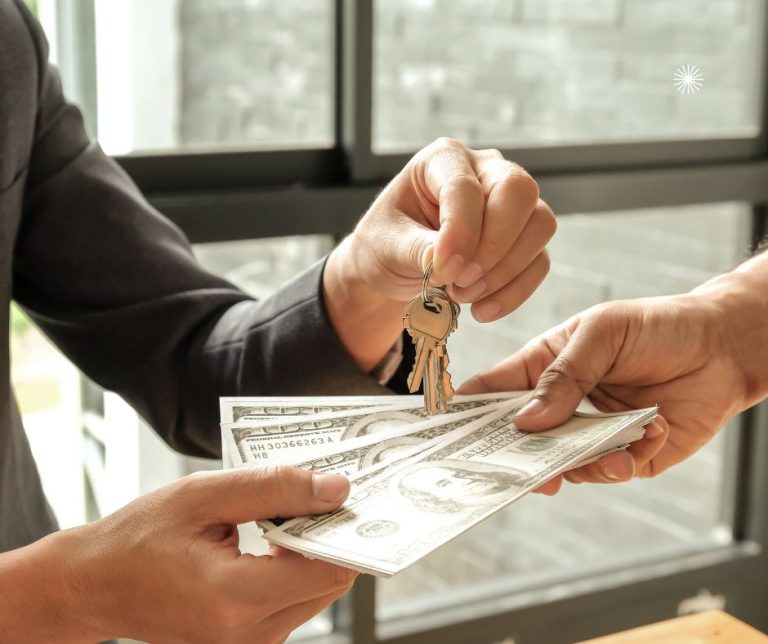
 Selling your home “as is” means that the Seller won’t be making any repairs or upgrades after the contract is signed and before the sale is closed. This approach can save the Seller time and money, but it also means that potential buyers will be fully aware that they are purchasing the property in its current condition.
Whether your home is in great shape or needs some TLC, there are steps you can take to present your house in its best light to potential buyers. Start by thoroughly cleaning and decluttering each room to create a more inviting atmosphere. Consider staging your home with minimal, tasteful décor to highlight its strengths. Additionally, providing a detailed disclosure of any known issues can foster trust and transparency. Here’s a comprehensive guide to help you navigate the process effectively and maximize your chances of a successful sale.
Attracting the Right Buyers
Selling “as is” can attract buyers looking for a fixer-upper or a good deal. However, it’s essential to be upfront about the home’s condition to avoid surprises during the transaction. Transparency is key to building trust with potential buyers. Be honest about any known issues and provide documentation, such as inspection reports or repair estimates. This will not only help you find the right buyer but also prevent any potential legal issues in the future.
Pricing Your Home
When selling “as is,” it’s crucial to price your home realistically. Consider getting a professional appraisal or consulting with a real estate agent to determine the fair market value of your property. Keep in mind that buyers looking for an “as is” sale may be expecting a lower price due to the condition of the home. Remember, pricing too high can turn off potential buyers, while pricing too low could result in leaving money on the table.
Negotiating with Buyers
Negotiations are an integral part of any real estate transaction, and they become even more pivotal when selling a property “as is.” Many buyers will make an “as is” offer that includes inspections, meaning they accept the home in its current condition but want to conduct a home inspection to ensure there are no major issues.
If inspections reveal significant problems, such as a malfunctioning water heater or a failing septic system, the buyer has the option to void the contract without penalty. Alternatively, buyers may attempt to negotiate a lower price or request repairs after the inspection. Despite their initial “as is” offer, they might give the seller the choice to either make the necessary repairs or reduce the sale price to account for the repairs.
It’s crucial to discuss your boundaries and priorities with your real estate agent before entering negotiations. Be ready to compromise, but also know when to stand firm on certain conditions.
Legal Considerations
Selling “as is” does not absolve you from all legal responsibilities as a homeowner. You may still be liable for any undisclosed issues that arise after the sale. It’s important to consult with a lawyer familiar with real estate laws in your area to ensure you are protected throughout the process. Additionally, make sure to provide buyers with all necessary disclosures and documents required by law.
Preparing Your Home
Even if you’re selling “as is,” preparing your home for sale is crucial. Here are some tips to get you started:
Clean and Declutter:

-
- Hire a Professional Cleaning Service: If your budget allows, consider hiring a professional cleaning service.
-
- Basic Cleaning: Focus on cleaning the floor surfaces, vacuuming, sweeping, and mopping all floors. Wipe down countertops and surfaces.
-
- Declutter: Remove personal items and pack away family photos to help buyers envision themselves in the space. Neatly organize closets, cabinets, and all storage areas to showcase your home’s storage potential.
Address Minor Repairs: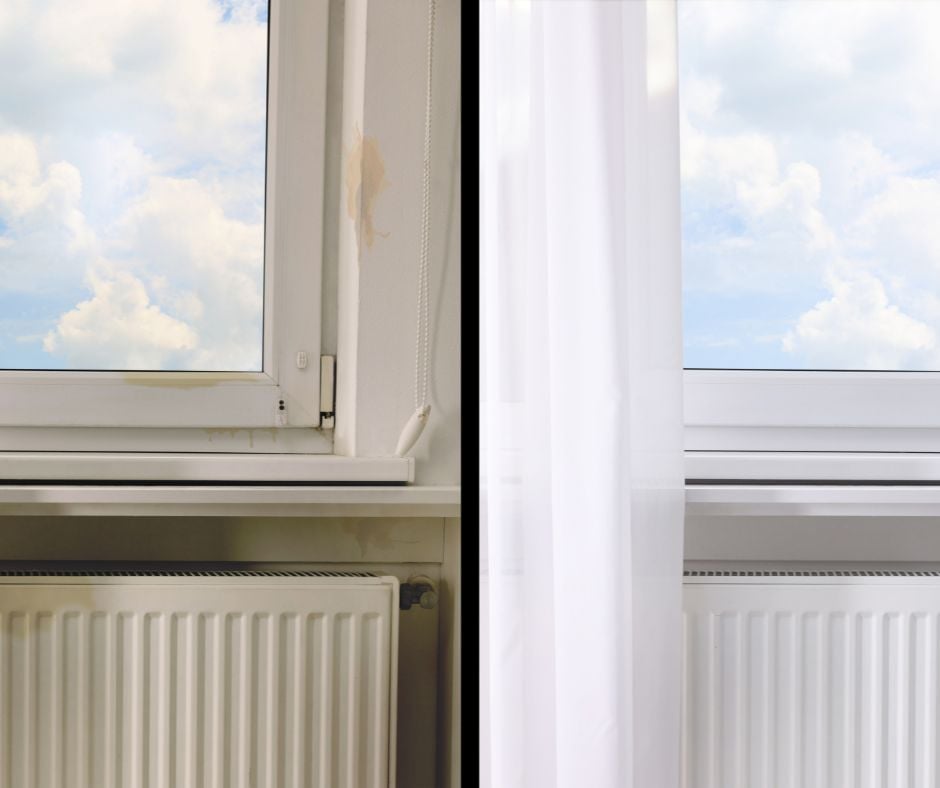
-
- DIY Fixes: Handle minor repairs such as leaky faucets, running toilets, and replacing burnt-out light bulbs.
-
- Touch-Ups: Touch up any scarred or scuffed walls and cover open switch plates.
-
- Clean Basements and Attics: Ensure these areas are clean and clutter-free. Remove old spider webs, clean up any insect debris, and make the space as tidy as possible. Even older furnaces can be appealing if they are well-maintained and in good working order. Keep detailed records of all maintenance and upgrades performed over the years.
Enhance Curb Appeal: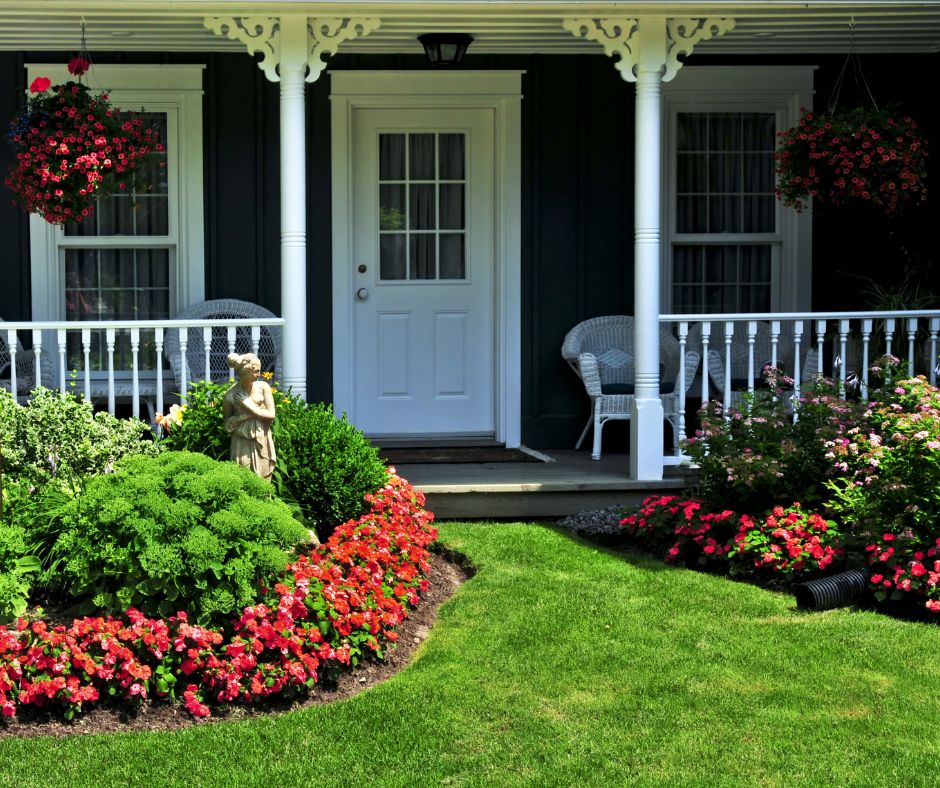
-
- Yard Maintenance: Ensure your yard is tidy and well-kept. Mow the lawn, trim the bushes, and clear any debris around your home’s exterior. Pay attention to areas where unwanted items accumulate—such as old toys, furniture, and last year’s plants—remove these items and clean the spaces where they were stored.
-
- Exterior Cleaning: Clean the exterior of the house, wash windows, and sweep walkways. Consider power washing the exterior if needed.
-
- Simple Landscaping: Add a few potted plants and fresh mulch to enhance your home’s curb appeal.
Marketing Your Home
Effective marketing is essential to attract the right buyers for your “as is” home. Here are some strategies:
Highlight Positives:
-
- Professional Photos: High-quality photos can showcase your home in its best light. If professional photography is out of budget, your realtor might cover this cost, as is common practice in many areas.
-
- DIY Photos: If taking photos yourself, use a good camera and take pictures on a nice day to capture your home’s best features.
Listing and Promotion:
-
- Online Listings: Promote your listing on real estate websites, social media, and local classifieds.
-
- Accurate Descriptions: Be transparent about the home’s condition and highlight its potential and any unique features. Work with your realtor to craft a compelling and honest listing description.
Pricing Your Home:
-
- Set a Realistic Price: Work with your realtor to set a competitive and realistic price. Proper pricing is crucial when selling a home “as is.” Consider the local market and the condition of your home. If your house is in a neighborhood with a price range of $500,000 to $700,000, price it accordingly based on its condition and market demand.
The Importance of a Good Realtor
Choosing the right realtor can make a significant difference in the selling process. A knowledgeable and experienced realtor can provide valuable insights, assist with marketing, and ensure that your home is priced correctly, looks good and is presenting the best possible picture. A good realtor will know the issues that will arise during an inspection and will let you know ahead of time so you aren’t blindsided by an inspection report. A good realtor will have the skills to negotiate on your behalf to get you the best possible price for your home and will manage the stress so you don’t have to. They can also help navigate any challenges that may arise during the transaction.
Conclusion
Selling your home “as is” can be a viable option if you’re not in a position to make repairs or upgrades, or if your house is already in great shape. By following these tips, you can present your home in the best possible light and attract the right buyer. Remember to stay positive, be honest about your home’s condition, and you’ll find the right buyer.
Additional Tips
-
- Documentation: Keep all records of repairs, maintenance, and upgrades to provide to potential buyers. This can build trust and show that the home has been well cared for.
-
- Flexibility: Be prepared to negotiate. Even though you are selling “as is,” some buyers may still request minor repairs or credits. Consider these requests carefully and consult with your realtor.
-
- Inspection: Consider getting a pre-listing inspection. This can identify any potential issues upfront and allow you to address them or price your home accordingly.
By being proactive and transparent, you can make the process of selling your home “as is” smoother and more successful.