
Renting Vs. Buying Home: Which Fits Your Lifestyle & Budget?
Buying a house vs renting an apartment, throughout generations, individuals have grappled with deciding whether to rent or buy their dwelling. This debate has been further complicated by economic fluctuations, shifts in housing market trends, and changes in cultural attitudes.
As we survey the financial landscape of the 21st century, we find that this classic dilemma is as relevant as ever. People from all walks of life reevaluate the merits of homeownership versus the flexibility of renting amid rising house prices and changing job dynamics.
The Financial Benefits of Home Ownership
Homeownership comes with a tapestry of financial benefits that contribute to long-term economic stability and wealth accumulation. Through building equity, homeowners transform their monthly payments into a growing asset. Moreover, tax advantages, predictable payments, and the prospect of long-term savings offer a financial edge over the uncertainties of renting.
Building Equity

One of the foremost financial advantages of buying a home is equity accumulation. Monthly mortgage payments contribute to an individual’s net worth by incrementally increasing the homeowner’s stake in the property. In contrast, renters contribute to their landlord’s equity with each payment, without seeing a return on their investment.
Tax Advantages
For homeowners, several tax deductions can significantly mitigate the cost of owning a home. This includes the potential to deduct mortgage interest and property taxes, which can result in substantial savings when tax season arrives.
Predictable Payments
Securing a fixed-rate mortgage stabilizes a significant portion of a homeowner’s monthly expenditure. Unlike rental payments, which can escalate unpredictably year to year, a fixed mortgage offers a consistent financial obligation.
Long-Term Savings

Over the long term, the fixed costs associated with a mortgage often compare favorably to renting. While rents can rise annually, a fixed mortgage remains constant, potentially yielding considerable savings over time.
Financial Considerations for Renting
Renting in an apartment building or renting a home gives you a lot more flexibility, but it can also carry additional rent costs as the housing market grows because many leases are short-term (12 months or less). Now let’s take a look at the other pros and cons of renting a home.
Upfront Costs are Lower than Purchasing
In terms of upfront costs and financial commitment, apartment rentals often emerge as the less burdensome option relative to purchasing a home. Renters are spared the hefty upfront costs of a down payment that are required in a homebuying transaction, offering significant short-term savings.
You do have to provide the first month’s rent and usually a security deposit, which is typically one or two months’ rent. However, it is still significantly less than the down payment required for most properties.t home purchases.
No Property Taxes or Maintenance Costs

One of the biggest advantages of renting is that you are not responsible for any property taxes or maintenance costs. This means you won’t have to worry about unexpected repair expenses or annual property tax payments, which can be a significant financial burden for homeowners.
Flexibility in Location
Most rental agreements last for 1-2 years. This flexible nature of renting allows tenants to move easily, without worrying about the financial and logistical responsibilities of selling a home. When you move frequently, it’s important to factor in the expenses associated such as moving costs and application fees, as they contribute to your overall costs.
Ability to Improve Credit

If you are just starting out on your housing journey, qualifying for a mortgage may be impossible. Apartment living or a rental house may be your only choice. A major factor in your decision will be your financial circumstances. Renting gives you time to get a handle on credit card debt and address your specific financial circumstances.
From a credit perspective, a consistent track record of timely rental payments can contribute positively to one’s credit profile, which can be advantageous for future financial endeavors.
Possible Drawbacks of Renting a Home
Inconsistent Payments
The same advantage of flexibility with a yearlong lease is also a disadvantage of house rental. Your monthly housing expenses can fluctuate each year, making them unpredictable. Your landlord may increase the rent when your lease expires, or you may face challenges in keeping costs down in a competitive market if you decide to relocate.
No Equity

As a renter, you won’t have the opportunity to build equity. Instead, any increase in property value benefits the landlord, regardless of how well you maintain the property. Additionally, renters do not have the option to take out a home equity loan or use their rental payments as a down payment on a future home purchase.
The Psychological and Social Benefits of Owning Your Home

Beyond the tangible financial rewards, homeownership enriches one’s life with profound psychological and social benefits. Feelings of stability, personalization, community ties, and overall well-being are some of the intrinsic values that come with owning a home. These merits weave into the fabric of daily life, contributing to a sense of fulfillment and belonging.
Stability and Security
Homeownership contributes to a person’s sense of stability and security, impacting mental health positively. It can foster a sense of permanency and attachment to a community that may enhance overall life satisfaction. A house offers a family the feeling of belongingness, which translates into strong bonds and emotional support.
Freedom to Personalize

A homeowner enjoys the autonomy to remodel, decorate, and alter their living space in a way that reflects their personal taste and evolves with their needs. This freedom is not only psychologically rewarding but also allows for the creation of a comfortable and tailor-made living environment.
There is no property management company or landlord to send a request to, you make changes whenever and wherever your whimsy strikes. Owning a house means you can make whatever changes you want to create your dream home. Need more room? Bigger parking lot? Do you need to increase the square footage of your house or does your house privacy need an upgrade? Any of these concerns can be addressed when you own your own home.
Community Engagement
Studies suggest that homeowners are more likely to become involved in their local community, and children of homeowners may reap educational benefits. This is partially attributed to the enhanced sense of community that comes with establishing roots in one location.
Emotional Impact of Stability on Family

The emotional aspect of stability that homeownership can provide is far-reaching, especially when it involves children and their education. Having a permanent residence allows children to stay within the same school system over the long term, which can be crucial for their social and emotional development. Consistency in education fosters stronger relationships with peers, a deeper connection to the community, and a more secure learning environment.
Children benefit from the continuity of curriculum, extracurricular activities, and sustained support networks that are vital for intellectual as well as emotional growth. Parents, in turn, find peace of mind knowing that their children are in a stable and consistent academic setting, which builds a reliable foundation for future success.
The Psychological and Social Benefits of Rental Property
Flexibility and Ease of Mobility
Renting property offers a different sense of security that comes from the flexibility of not being tied to one location. Tenants have the ease of changing their living arrangements to adapt to life’s unpredictable changes, such as job relocations or the desire to explore new neighborhoods, without the long-term commitment homeownership demands.
Creative Expression within Restrictions
While a renter may face limitations when it comes to remodeling or making permanent changes, one can still express personal style within these boundaries. Renters can choose temporary and versatile decorating solutions that personalize the space without altering it, offering a chance to be creative while respecting the property’s constraints.
Challenges with Noisy Neighbors

Living in rented spaces often means sharing walls with neighbors, and this can lead to the significant challenge of noise pollution. Unlike homeowners who can often distance themselves from noisy environments, renters frequently have to contend with the volume of those living around them.
Late-night parties, loud televisions, or even just heavy footsteps from the apartment above can disrupt peace and tranquility, potentially diminishing the quality of life and causing friction in the community.
Limited Access to Private Outdoor Space
Another limitation faced by renters is the restricted or total lack of private outdoor spaces. Homeownership often comes with the advantage of private yards or gardens, which are not only extensions of living space but also provide an opportunity for relaxation, gardening, or entertainment.
Renters are generally confined to balconies or common areas, where the outdoor experience is shared and less personal. This can be particularly challenging for those who value solitude or outdoor hobbies that require a personal touch.
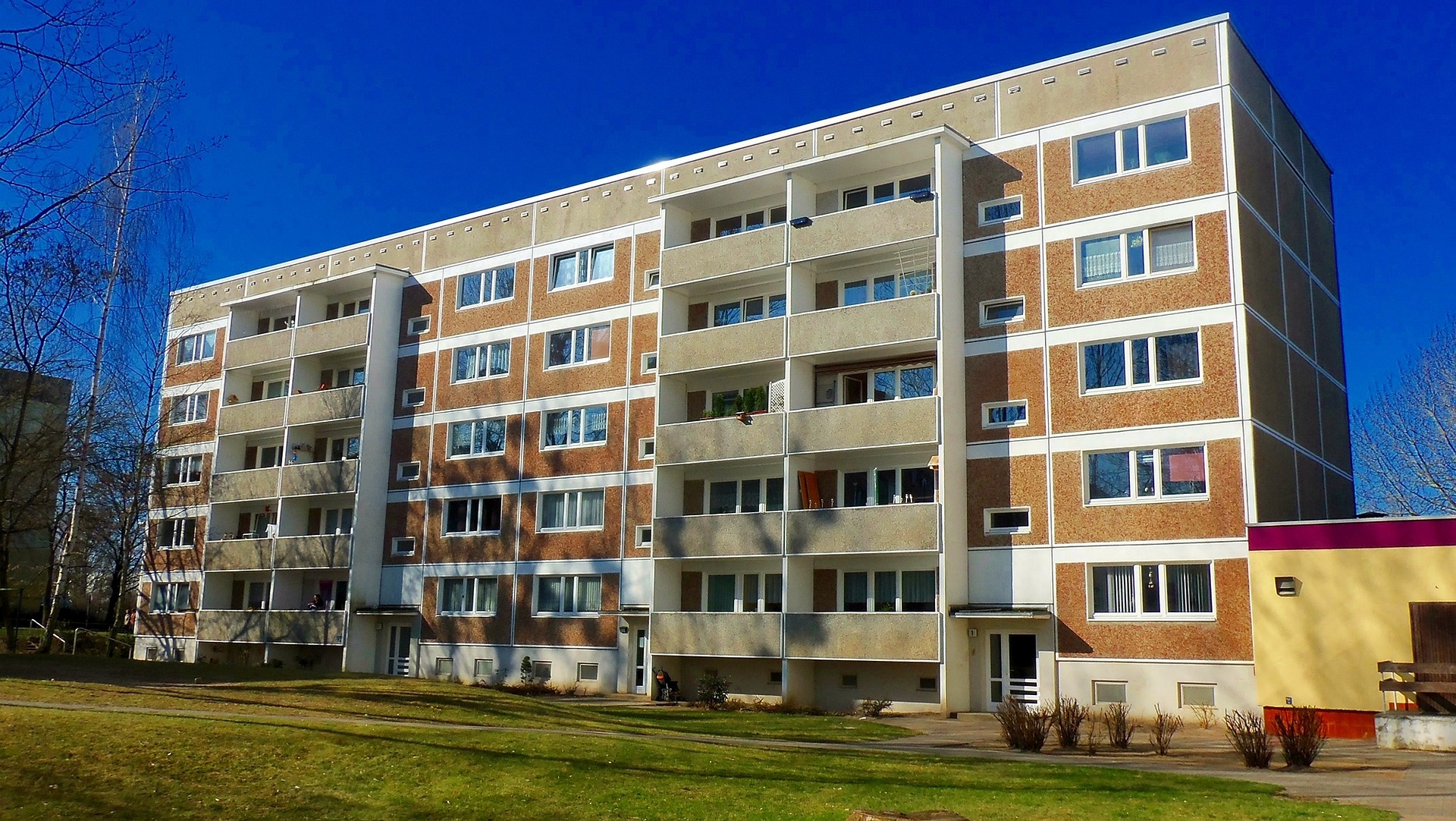
Competition
Finding the right place to live in highly competitive markets can be difficult, especially if you need to relocate while ensuring your children remain in the same school district. It can also be difficult to find houses in your area.
Single family homes are hard to find as a rental. Luxury apartments with have a lot of amenities like on site gyms but they may not be in your housing budget. Looking for a city center within walking distance of public transportation can be particularly challenging.
Uncertainty
There is always a chance of unexpected relocation if the property is sold or if your lease is not renewed. These are all uncertainties of renting.
Lack of Control
As a renter, making changes to the property can be a cumbersome process, and there is no guarantee that your proposed changes will be approved. Need additional spac, or more privacy, a family member needs a place to stay but your rental agreement doesn’t allow long-term guests.
Renting a home is typically best if you need flexibility and don’t anticipate being tied down to one location for too long.
Investment Perspective of Homeownership

In addition to the psychological and social advantages, viewing homeownership through an investment lens brings to light the economic rationale behind purchasing property. The following sections will explore the appreciation of real estate over time, leveraging equity, the tax advantages inherent to owning property, and the potential for rental income. Each of these aspects underscores the strategic financial benefits that complement the personal satisfaction of owning a home.
Appreciation Potential and Wealth Building
Long-term, real estate generally appreciates, providing homeowners with potential capital gains. This appreciation is not guaranteed and can fluctuate with market conditions, but historically, homeowners have experienced a favorable return on their investment over time.
Over the past two decades, the housing market has witnessed significant growth, with national home values consistently on an upward trend, except for a notable hiccup during the 2008 financial crisis.
According to a report by the Federal Housing Finance Agency, house prices have increased by an average of over 3% per year since the beginning of the 21st century. This steady appreciation has resulted in the doubling of median home values in some markets.
The increase reflects a variety of factors, including limited housing supply, demographic shifts, and historically low-interest rates that have made financing more accessible, underscoring the long-term viability of real estate as an investment asset.

If a homeowner purchased a property for $300,000 twenty years ago and the average annual appreciation rate held at 3%, the value of their home would have increased to approximately $543,000 today — a significant capital gain of $243,000.
On the flip side, a renter paying a monthly rent of $1,200 over the same period would have spent $288,000 in total on rent alone. Assuming the renter was prudent and saved a portion of their income, they could have accumulated savings, albeit without the added benefit of property appreciation.
The stark difference between the property’s appreciation and the rent outlay highlights not only the potential for wealth building through real estate but also illustrates the opportunity costs associated with renting.
Leverage
Real estate is one of the few investment opportunities that allow for significant leverage. Homeowners can control a large asset—their home—by only paying a portion of its total value upfront and financing the rest with a mortgage.
The ability to leverage enables individuals to maximize their return on investment, assuming the property’s value appreciates over time. Additionally, mortgage financing often offers lower interest rates than other types of loans, making it a favorable means of obtaining capital.

Home equity, built up over time as the property value increases and the mortgage balance is paid down, is a valuable financial resource that homeowners can tap into. By securing a home equity loan or a home equity line of credit (HELOC), property owners borrow against the equity in their homes at fairly competitive rates.
This can provide a lump sum or a flexible line of credit for major expenses such as home renovations, education, or consolidating high-interest debt. Moreover, since the loan is secured by the home, lenders often offer lower interest rates compared to unsecured personal loans, making home equity a cost-effective borrowing option.
Rental Income
Owning a home can potentially generate income if a portion of the property is rented out, which can help offset mortgage costs and lead to additional profit. Rental properties can also offer other tax benefits, such as deducting expenses related to maintaining and managing the property.
The strategy of purchasing a multi-family home and residing in one unit while renting out the others is a savvy way to not only secure a place to live but also to effectively pay down the mortgage. This arrangement, often referred to as “house hacking,” takes advantage of the rental income from tenants which can cover a significant portion of the monthly mortgage payment, or in some cases, even surpass it, leading to a net positive cash flow.
Furthermore, living on the property enables owners to closely manage the rentals and maintain their investment, all while building equity in a real-estate asset that could appreciate in value over time. This approach is particularly attractive to first-time home buyers or investors looking to enter the real estate market with limited funds.
The Emotional Aspect of Owning a Home
The emotional component of homeownership is just as significant as the financial and investment perspectives. It encompasses the sense of stability and personal autonomy that arises when one owns their dwelling. The following delves into these elements, illustrating how owning a home contributes to an individual’s sense of well-being and provides a platform for self-expression and personal development.
Sense of Belonging
A home is more than just a financial asset; it is a personal haven that can instill a profound sense of belonging within a neighborhood or community.
Achievement and Pride

There is often a sense of pride and accomplishment associated with purchasing a home, which for many marks a significant milestone in their personal and financial journey. Owning a home can also provide a sense of achievement and control, as it is an asset that individuals can actively improve and maintain.
Personal Expression
A home is a reflection of one’s personal style and preferences. From interior décor to exterior landscaping, owning a home allows for self-expression and the creation of a unique space that truly feels like one’s own.
The Emotional Aspect of Renting
A rental property can also share some emotional aspects comparable to homeownership, albeit with distinct nuances. Tenants may feel a sense of belonging as they become integral members of their neighborhood or apartment community. While they may not own the property, the freedom from long-term commitments and the ability to relocate with relative ease can be empowering.
Renters also find pride in personalizing their living spaces; although alterations may be limited, they actively engage in making the space a home through decor and arrangement. Renting can foster feelings of achievement too, representing an independent step in one’s life and financial planning. Despite the impermanence compared to owning, renters can still experience the psychological benefits of a place to call their own.
Common Concerns and Misconceptions
Despite the advantages outlined earlier, potential homeowners often face concerns and misconceptions that can deter them from making a purchase. It is crucial to address this head-on to provide clarity and confidence in the decision-making process. The next sections will cover these and offer insights into each of these common areas of apprehension, and debunking myths that may unnecessarily discourage prospective buyers.
Understanding the Financial Implications of Market Volatility

It’s essential to acknowledge that real estate markets do experience periods of volatility. However, homeownership is typically considered a sound long-term investment strategy.Market fluctuations can indeed affect homeowners in various ways, impacting the perceived financial benefit of owning a home.
When housing prices are high, homeowners may feel a sense of increased wealth or opportunity, as the potential selling price of their property escalates. Conversely, when prices drop, there may be concern or disappointment. However, it is important to consider the long-term view to realize the full financial sense of homeownership.
Historically, real estate tends to appreciate over time, and periods of decline are often followed by recovery and growth. Homeownership should be seen as a marathon, not a sprint, where the true financial advantages are harnessed over years, if not decades, of investment in a property.
Maintenance and Repair Responsibilities
Owning a home comes with the onus of maintenance and unforeseen repairs. While these responsibilities can be burdensome, they are part and parcel of the invaluable investment in residential real estate.
Upfront Costs
Securing a mortgage typically requires upfront investments such as a down payment and closing costs. These should be carefully weighed against the long-term financial benefits of homeownership.
When comparing the upfront costs of homeownership versus renting, potential buyers might initially view spending money on a down payment and closing costs as daunting compared to the immediate future of simply paying rent. Initially, paying rent might make more sense to those wary of the large financial commitment owning a home entails.
Renters may also benefit from lower insurance costs, as renters insurance is typically less expensive than homeowners insurance. You should also consider the rental upfront costs of a security deposit which is usually one month’s rent, and a pet deposit if you have a pet.
However, the notion of ‘throwing money away’ on rent is often voiced in discussions surrounding renting versus buying. Individuals must conduct research and consider other costs, such as property taxes, HOA fees, and maintenance costs that homeowners face, to make an informed decision that aligns with their long-term financial goals.
Conclusion
The journey to homeownership can be complex and filled with introspection on the financial, psychological, and emotional levels. This article aims to guide potential buyers by elucidating the myriad of benefits that come with owning a home, as opposed to renting.
It also addresses common concerns and misconceptions that prospective homeowners may encounter. In the end, the decision between renting and buying is deeply personal, and one should reflect on their long-term goals and financial situation to decide what is best for them.